CBD oil has a typical shelf life of 12 to 24 months from the date of manufacture, though the actual figure for any bottle depends on three things: the quality of the hemp extract, the carrier oil it is dissolved in, and how it is stored. A sealed bottle kept in a cool, dark spot will stay within specification for far longer than one left open on a sunny bench. Understanding what drives shelf life — and how to check the date on your bottle — means you always know what you are working with, whether you order online in Newcastle or anywhere across NSW.
What gives CBD oil a shelf life?
Two components determine when a CBD oil begins to degrade: the hemp extract itself, and the carrier oil it travels in.
Hemp extract is rich in cannabinoids and terpenes. Like any plant-derived compound, cannabinoids are sensitive to light, heat and oxygen. Ultraviolet light from a sunny windowsill, warmth from a kitchen benchtop, and air entering the bottle each time you open it all accelerate the natural breakdown process — the cannabinoid content slowly falls below what the label states, and the terpene profile that gives the oil its characteristic smell changes. This is a chemical reality of any plant extract; it is not unique to hemp.
The carrier oil matters equally. Our range uses MCT — medium-chain triglycerides, derived from coconut — which is chosen partly because it is more shelf-stable than many seed oils, such as hemp seed oil. Even so, MCT is still a fat and, like all fats, it can oxidise when exposed to air and heat. Oxidised carrier oil changes both smell and taste: instead of a clean, neutral profile it develops a rancid note. That is a physical sign that the carrier has gone off, not the cannabinoid content specifically, but together they tell you the bottle is past its best.
How long does our CBD oil last?
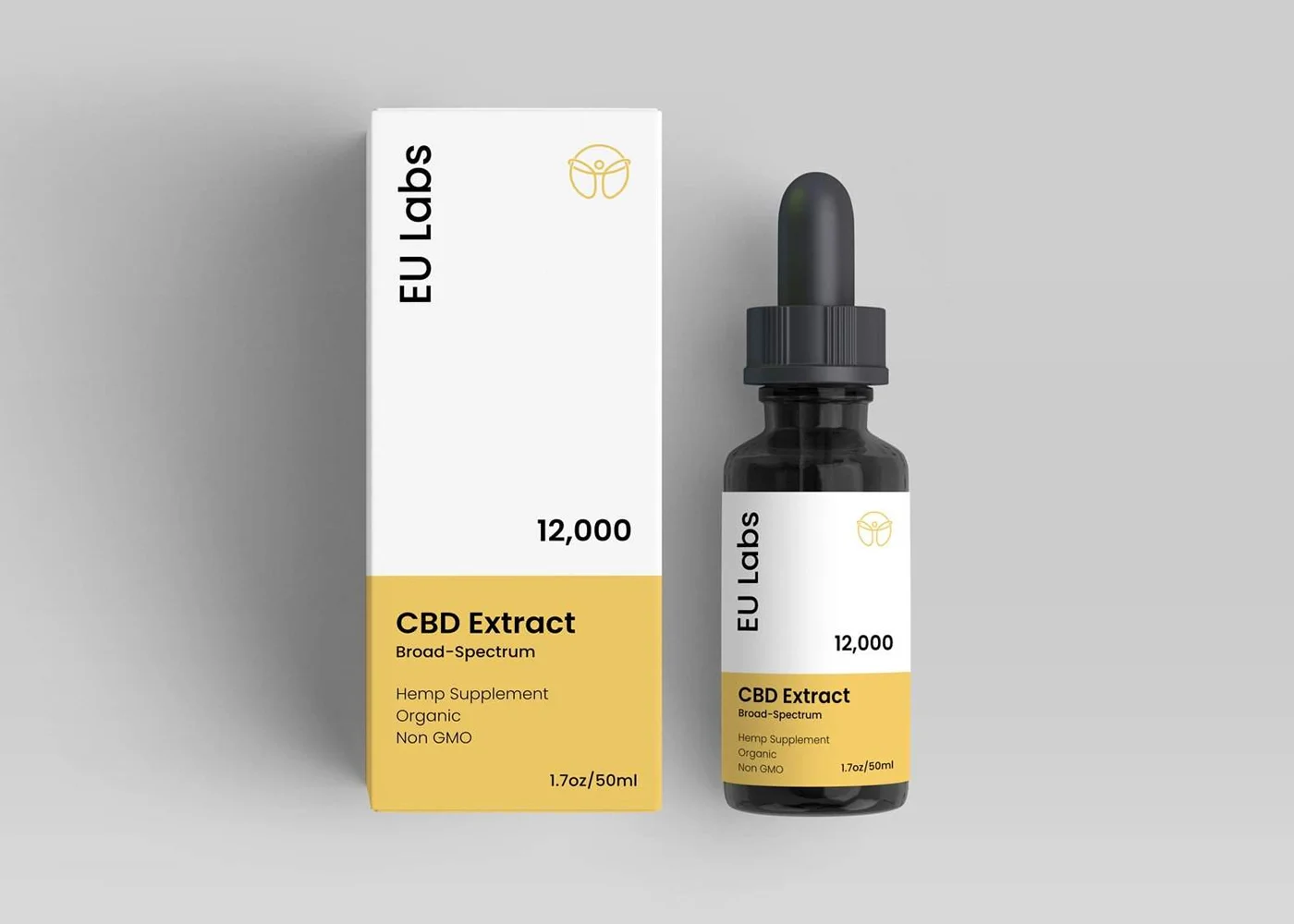
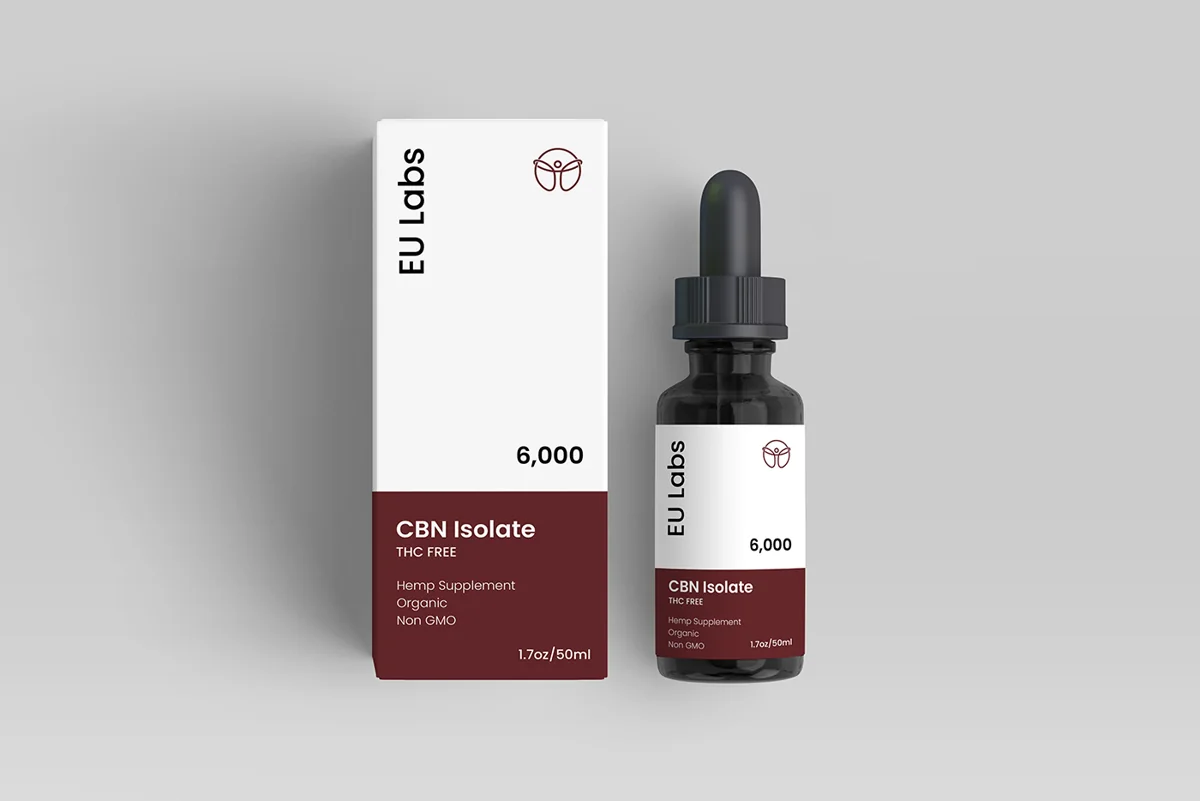
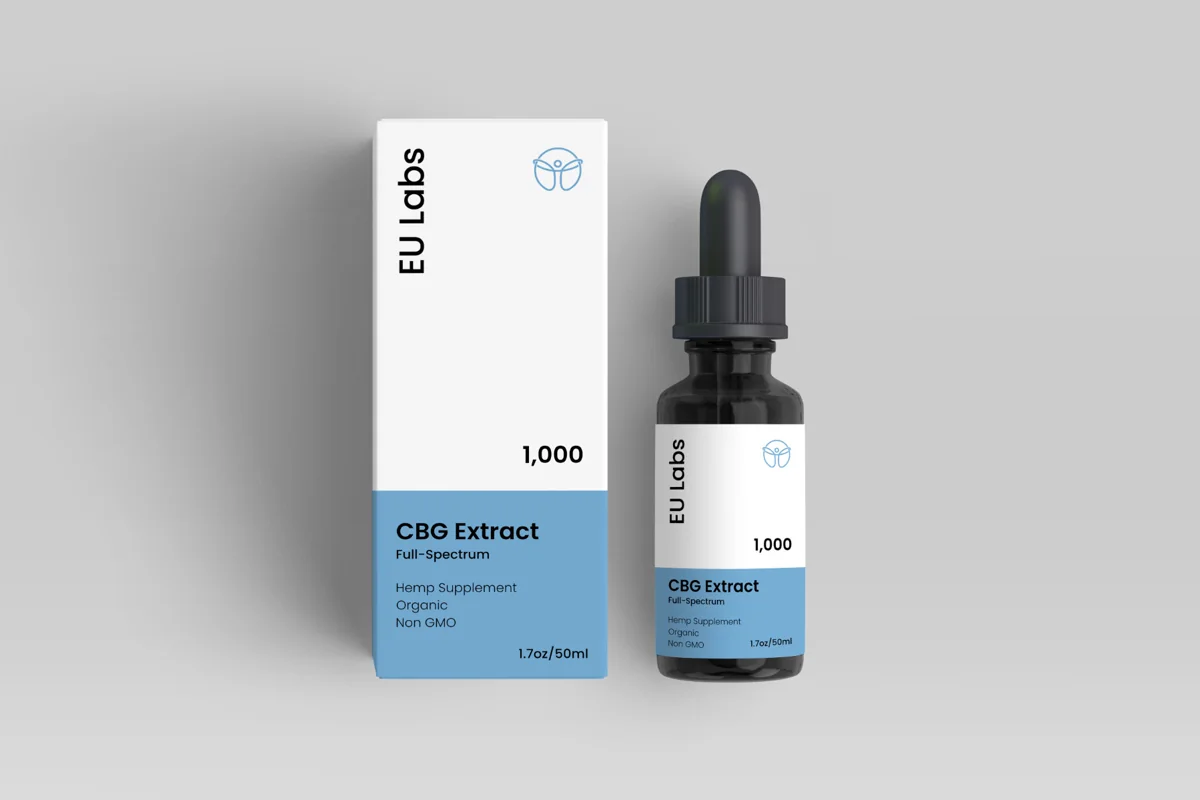
Every bottle in our range ships in a sealed, dark-glass dropper bottle — 50ml, amber glass — which is the standard for hemp extract because the dark glass screens out much of the ultraviolet light that degrades plant compounds. The amber glass and the tight-fitting dropper cap together limit air and light exposure to the moments you are actually using the oil.
Stored correctly, you can expect the oil to remain within its stated specification for 12 to 24 months from the manufacture date. That figure sits on the Certificate of Analysis for each batch — the COA is the third-party lab-tested result run on that specific batch before it left the facility. The manufacture and batch dates are the numbers that actually matter; a best-before stamp is only as good as the storage conditions behind it.
To check your batch date, email us at enquiries@cbdoilnewcastle.com with the lot number from the bottom of your bottle, and we will send the COA with the batch date, cannabinoid content and THC reading for that specific batch.
How to store CBD oil
Correct storage is the single biggest controllable variable in how long a bottle lasts. The rules are simple:
Keep it cool. Consistent, room-temperature storage is ideal. A kitchen cupboard away from the oven or kettle, or a bathroom cabinet away from steam and direct heat, both work well. Warmth above ordinary room temperature accelerates oxidation in both the hemp extract and the MCT carrier.
Keep it dark. Ambient indoor lighting is not a major threat, but direct sunlight through a window is. Amber glass gives the oil substantial UV protection, but there is no need to add extra light exposure by leaving the bottle on the windowsill.
Keep the cap on firmly. Each time the dropper cap is left open, oxygen enters. A tight seal after every use slows the oxidation that eventually changes smell and colour.
Keep it upright. This keeps the dropper mechanism clean and prevents the oil from pooling against the rubber seal at the top of the dropper — some sealants can affect the oil if they stay in prolonged contact with it.
Not in the freezer. Refrigerating CBD oil in an MCT carrier is not recommended. MCT can become cloudy or temporarily solidify when it drops below around 10°C — the oil is technically fine once it warms back up, but it creates unnecessary temperature cycling and can make dispensing difficult. Room temperature is sufficient.
Signs CBD oil has gone off
Even within the 12–24 month window, it is worth knowing what a degraded oil looks like. These are the physical indicators to watch for:
Change in smell. Fresh hemp extract in MCT has a characteristic earthy, slightly grassy scent. If the oil develops a sharp, rancid or acrid odour — more like old cooking oil than a plant extract — that is oxidised carrier oil. The smell of the hemp compounds themselves also changes as terpenes degrade; the profile shifts from fresh and botanical to flat or musty.
Change in colour. A fresh full-spectrum CBD oil is typically a pale gold to light amber. If the colour deepens significantly toward dark brown, or you see visible particulates that were not there before, the extract has begun to break down.
Cloudiness. Some mild cloudiness directly after cold storage is MCT temporarily thickening — it clears at room temperature and is not a sign of degradation. Persistent cloudiness at room temperature, however, particularly if accompanied by changed smell, is worth noting.
None of these changes involve a health claim — they are straightforward physical signs that the composition of the oil has moved outside the specification on its COA.
From our CBD oil range
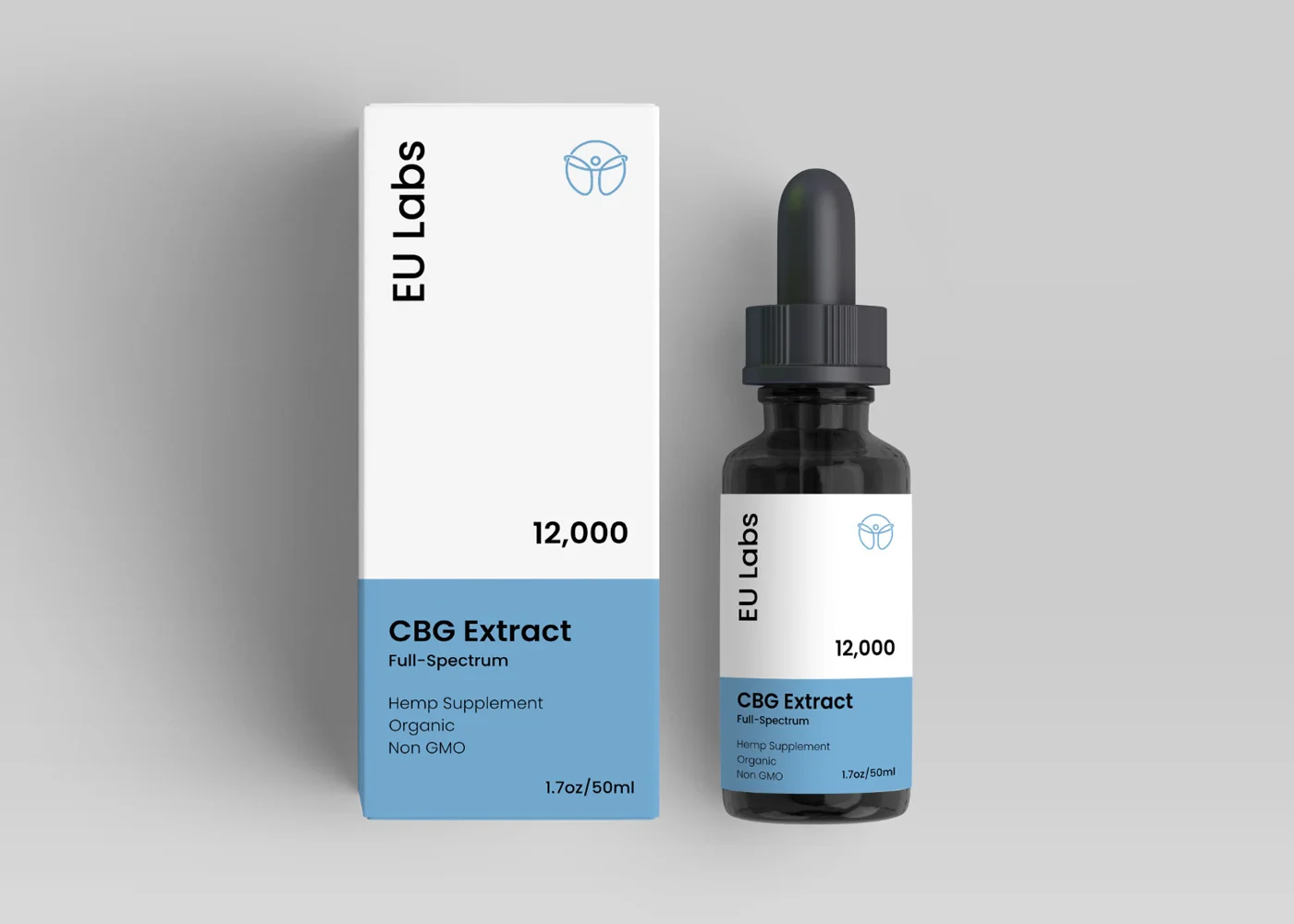
12000mg CBG Oil
Our strongest cannabigerol oil, full-spectrum hemp with trace THC. 12000mg in 50ml MCT oil, 240mg per ml.
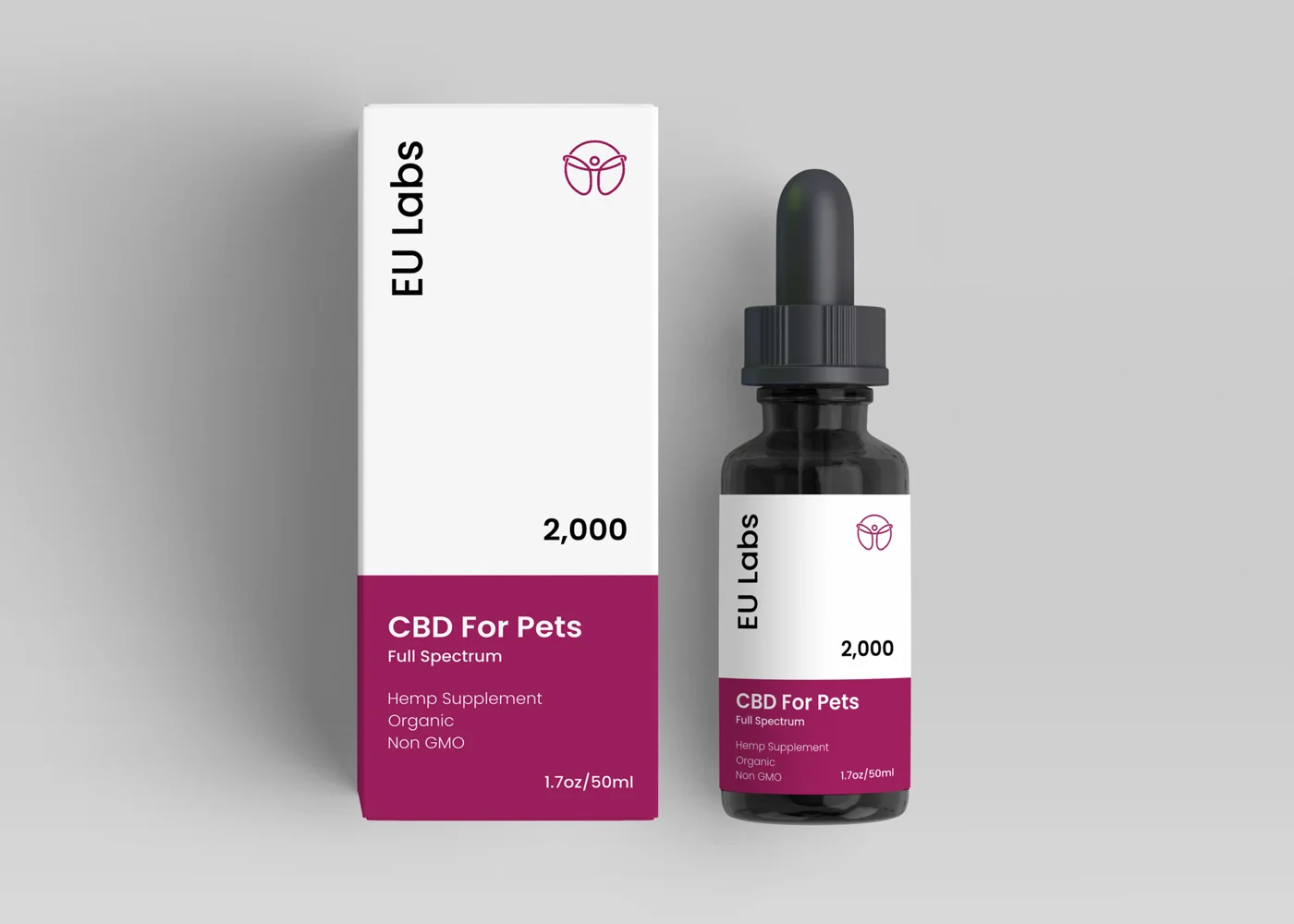
2000mg Pet CBD Oil (Full Spectrum)
Pet-formulated full-spectrum CBD, same hemp source as our human range. Neutral MCT, no added flavours. 2000mg in 50ml, 40mg per ml. 18+; ask your vet.
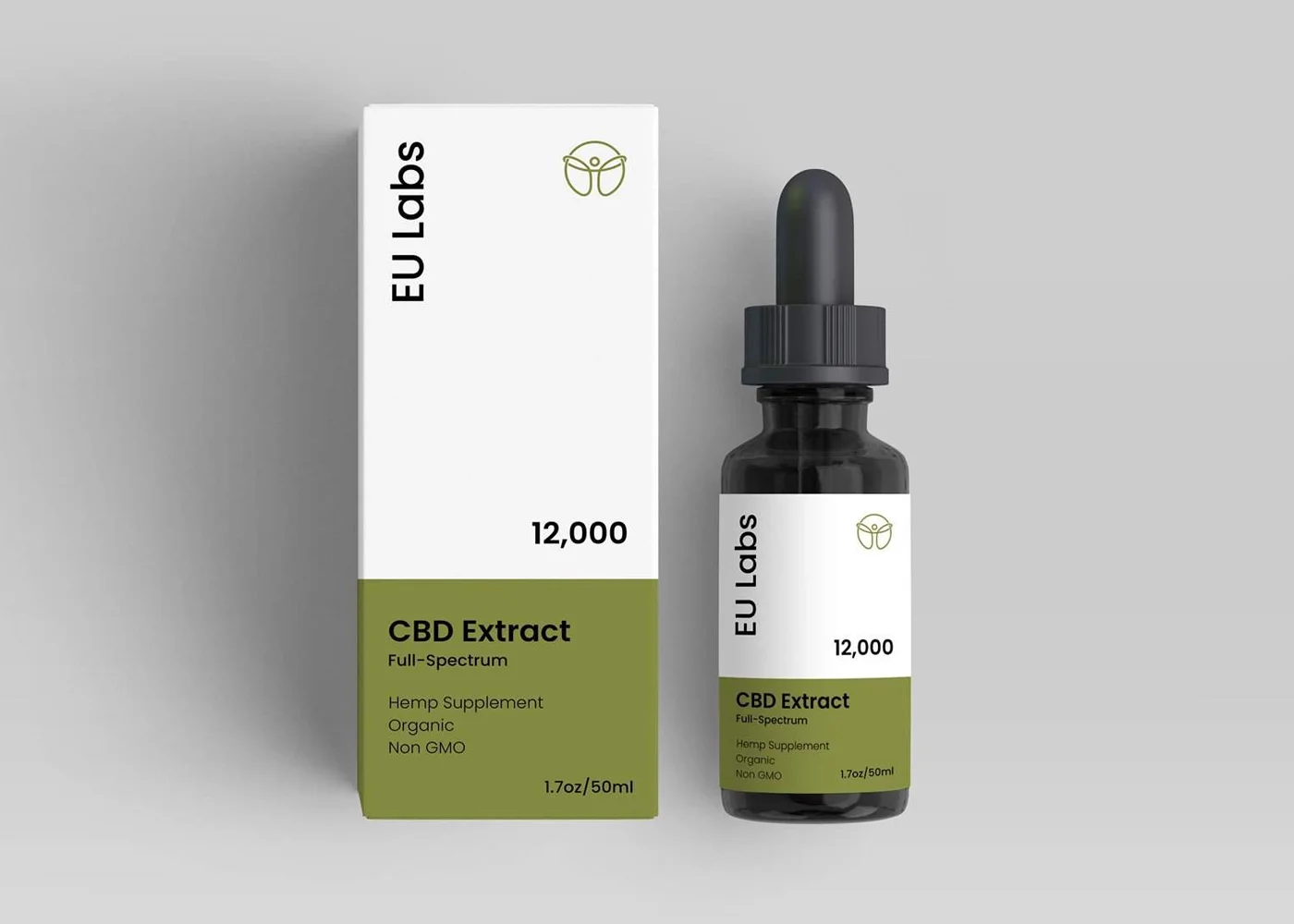
12000mg CBD Oil (Full Spectrum)
Our strongest full-spectrum hemp. Whole-plant cannabinoid and terpene profile, trace THC. 12000mg in 50ml MCT oil, 240mg per ml.
Reading the expiry on the Certificate of Analysis
The COA for each batch records the manufacture date, the cannabinoid profile by concentration, the THC figure (always under 0.3% for full-spectrum, and zero for broad-spectrum), and the test date. Reading those numbers together tells you exactly how old the batch is and where its cannabinoid content sits at the time of testing.
The batch number is printed on the label — typically on the bottom or the side near the base of the bottle. If you want to match that number to the COA, email enquiries@cbdoilnewcastle.com and we will send the matching certificate for your specific lot. Our guide to using CBD oil includes a section on reading the label and understanding the COA, which is the right starting point if you are new to hemp-derived CBD products or buying from CBD Oil Newcastle for the first time. The full-spectrum CBD oil is the most common starting point in the range, and its COA includes the manufacture date alongside the cannabinoid and THC figures for that batch.
The COA is also useful when you are choosing between batches, comparing the cannabinoid yield against the stated strength, or simply confirming that the oil in the bottle matches what the label says. Every bottle we dispatch across Hamilton, Charlestown, Lake Macquarie, Maitland and the wider NSW is batch-tested before it leaves.
Common questions about CBD oil shelf life
Does CBD oil expire? Yes. The hemp extract and MCT carrier both degrade with time, light, heat and air. Shelf life is typically 12 to 24 months from manufacture, assuming correct storage. The expiry reference for any specific batch is the manufacture date on the Certificate of Analysis, which you can request by email.
How can I tell if CBD oil has gone off? Check the smell first — rancid, acrid or flat notes instead of the characteristic earthy/botanical profile. Then look at the colour: significant darkening or persistent cloudiness at room temperature (not just post-cold cloudiness that clears) are physical indicators the oil has moved outside its original specification. Within the expected shelf life and with correct storage, these changes should not appear.
What is the best way to store CBD oil? In a cool, dark place — a cupboard away from heat sources — with the cap firmly closed and the bottle kept upright. Not in the freezer, as MCT can temporarily solidify below around 10°C. Consistent room temperature is the practical standard for a 50ml bottle used over several weeks.
Where can I buy fresh-batch CBD oil in Newcastle? From CBD Oil Newcastle, online, with delivery across Hamilton, Charlestown, Lake Macquarie, Maitland and throughout NSW. Every batch is third-party lab-tested and the COA is available on request — so you can check the batch date and cannabinoid content for the specific bottle you ordered. Browse the full range and current strengths, starting from $69.00.
Is the shelf life the same for full-spectrum and broad-spectrum? Both share the same 12–24 month guidance under correct storage. The key difference in composition — full-spectrum retains a legal trace of THC under 0.3% while broad-spectrum removes it entirely — does not substantially alter the degradation profile. Storage conditions matter more than spectrum type. THC thresholds for hemp-derived products in Australia are set by the Therapeutic Goods Administration, and the Certificate of Analysis for each batch records the figure for that specific lot.
Delivery to Newcastle
If you are ordering from Newcastle, delivery is domestic and tracked. CBD Oil Newcastle dispatches to Newcastle and across NSW — including Hamilton, Charlestown, Lake Macquarie, Maitland, with the same batch-tested stock listed on the shop page. Ask for the Certificate of Analysis for your bottle's lot number at any point.
Reading the strength on a label
| Bottle | Total cannabinoid | Per 1 ml | Bottle size |
|---|---|---|---|
| 1000 mg | 1000 mg | 20 mg | 50 ml |
| 3000 mg | 3000 mg | 60 mg | 50 ml |
| 6000 mg | 6000 mg | 120 mg | 50 ml |
| 12000 mg | 12000 mg | 240 mg | 50 ml |
The headline number is the whole bottle, not a single serve — divide by the bottle volume to compare products honestly.