CBN oil is the single-cannabinoid member of the hemp-oil family: its active ingredient is cannabinol, a minor cannabinoid, and the version we stock is a THC-free isolate in a coconut-derived MCT carrier. Set against CBD and CBG, it is defined by composition alone — never by any effect. We supply it to Newcastle through CBD Oil Newcastle and post it across Hamilton, Charlestown, Lake Macquarie, Maitland and the rest of NSW.
The fastest way to understand CBN oil is to put it next to the cannabinoids people already know, so that is where this page starts. No hype, just the make-up of each one. CBD Oil Newcastle is an online shop in NSW that lists oils by what is in them — the cannabinoid, the strength, the carrier — and what the lab report says, rather than by any promise. CBN gets marketed in all sorts of ways elsewhere; here it is simply an ingredient, and the comparison below shows where it fits.
CBN vs CBD vs CBG — how cannabinol fits
These are three separate cannabinoids from the same plant, Cannabis sativa L. (hemp is its low-THC variety). Told apart by composition alone, they line up like this:
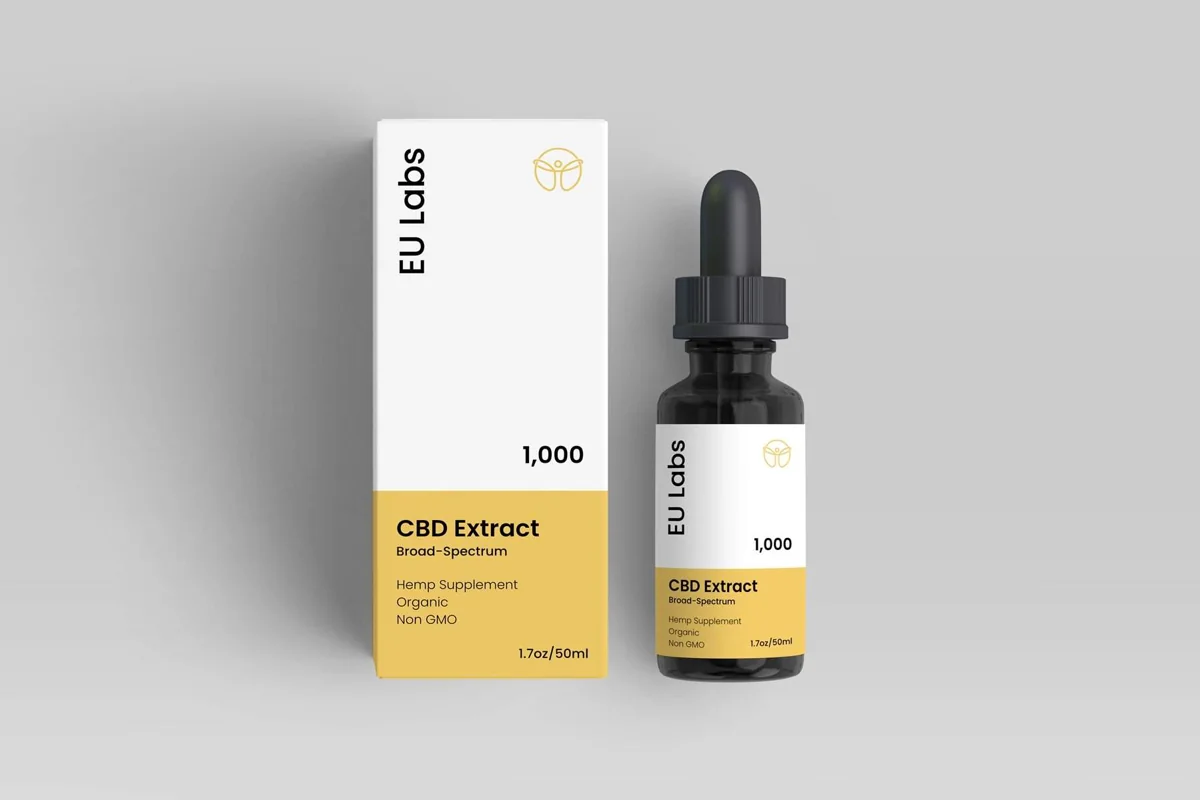
- CBD (cannabidiol) — the most abundant cannabinoid in hemp, and what most ranges are built on. We sell it whole-plant in two forms: full-spectrum CBD oil, which keeps CBD with the minor cannabinoids and terpenes and a legal trace of THC under 0.3%; and broad-spectrum CBD oil, the same profile with the THC removed.
- CBG (cannabigerol) — the cannabinoid the plant produces first as it grows, the precursor the others build from, and scarcer than CBD. We sell it on its own as CBG oil.
- CBN (cannabinol) — a minor cannabinoid, which we supply as a THC-free isolate. This page is about it.
So the practical split is whole-plant CBD (full or broad spectrum) on one side, and single-cannabinoid oils (CBG, CBN) on the other. The difference is which compound is in the bottle and whether THC is present — a compositional choice, not a quality ranking, and not a claim that one suits anyone better than another.
What is CBN (cannabinol)?
Cannabinol, abbreviated CBN, is a minor cannabinoid of the hemp plant, supplied here as a THC-free isolate.
Having placed it, here is CBN on its own. Cannabinol is one of the minor cannabinoids in the hemp plant — "minor" meaning it occurs in much smaller amounts than CBD, which is why a single-cannabinoid CBN oil is a less common product and is priced accordingly. It is its own distinct compound, not a form of CBD.
Where does it come from in the plant? Compositionally, cannabinol is the cannabinoid that forms as hemp material ages, rather than one the plant produces in bulk while fresh — which is another reason it turns up only in small amounts. That is a point about the chemistry and the source, not about any effect, and we raise it purely to explain why a single-cannabinoid CBN oil exists as an isolate in the first place.
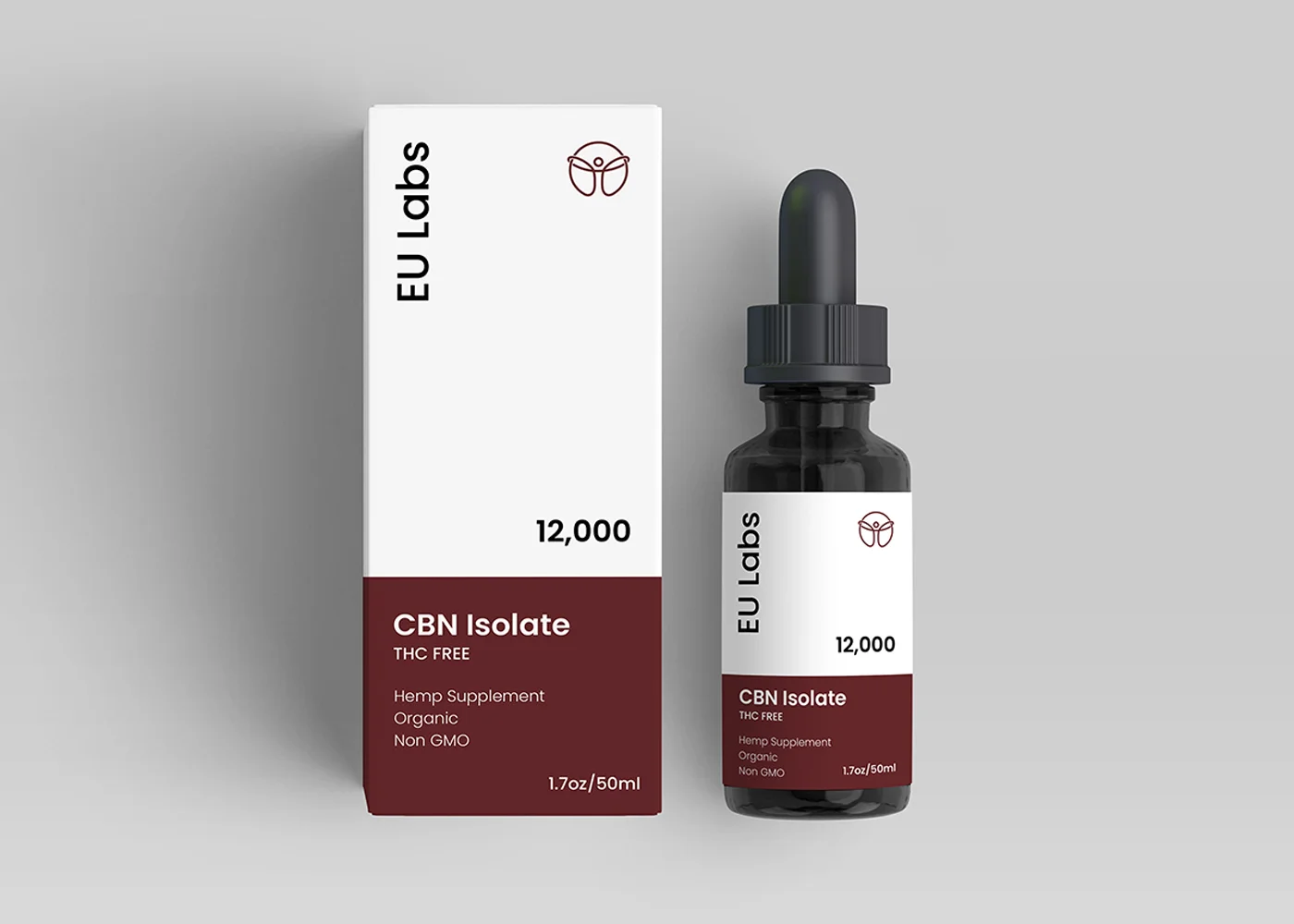
The CBN oil we stock is an isolate: the cannabinoid separated out, so the bottle contains CBN rather than a blend. Being an isolate, it is THC-free — no measurable THC. That is the entire compositional description, and it is the only one we give. Plenty of sellers wrap cannabinol in claims about what it might do; we do not. On this page CBN is a named ingredient with a form and a milligram figure — a minor cannabinoid, in isolate form, with the THC taken out.
What's in our CBN oil
The make-up is short. Our CBN oil is hemp-derived cannabinol isolate in a neutral MCT carrier (medium-chain triglycerides, coconut-derived), in a 50ml bottle, with the full ingredient list on the label and nothing else doing any work.
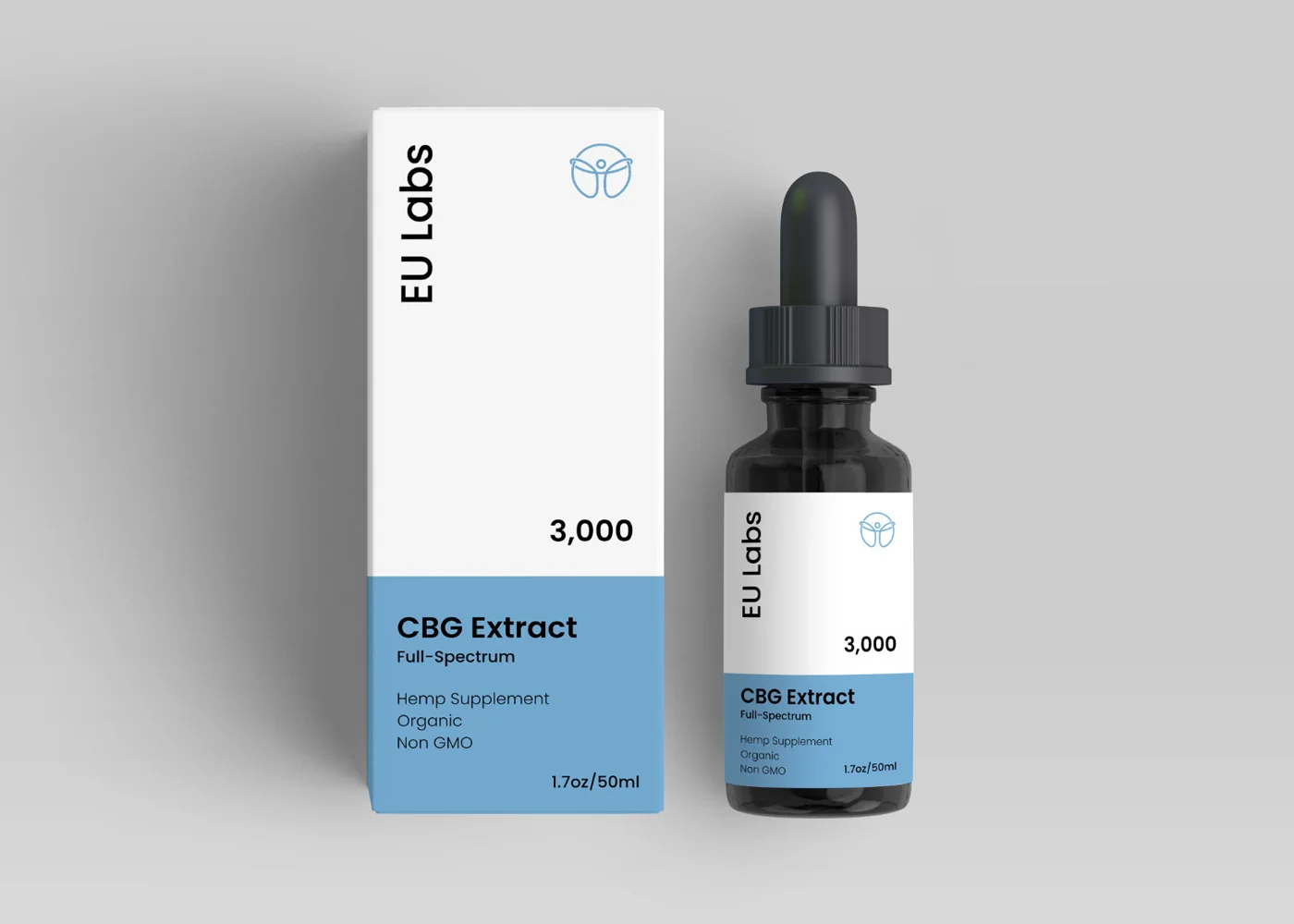
It comes in four strengths — the milligram figure being the total CBN in the bottle: 1000mg, 3000mg, 6000mg and a 12000mg option. Prices are in Australian dollars and track the strength, from $69.00 for the 1000mg bottle. Every batch is third-party lab-tested, and the Certificate of Analysis is available on request — email enquiries@cbdoilnewcastle.com with the batch on your bottle and we will send the matching report. The oil is made for EU Labs in Amsterdam and dispatched within Australia.
The bottle format matches the rest of the range, which is what makes the strengths easy to read against each other. Each 50ml bottle is measured in 0.5ml servings drawn with the dropper — about 100 servings a bottle at any strength — and the ingredient line is short: hemp (Cannabis sativa L.) aerial-parts extract and MCT coconut oil, organic, non-GMO and alcohol-free. That is the contents and the measurement stated plainly, with nothing said about effect. The full range lists the CBN strengths next to our CBD and CBG oils for buyers in Newcastle, each by cannabinoid, strength and price.
How to read the label and choose a strength
Choosing between the strengths is a label-reading job, not a dose-for-a-reason — our guide to using CBD oil covers how to measure a serving and leaves how much to take to you.
- Milligrams — the total CBN in the 50ml bottle; a higher number is more cannabinoid in the same volume.
- Per millilitre — milligrams divided by 50ml. So 1000mg is 20mg per millilitre and 6000mg is 120mg per millilitre. The dropper measures a 0.5ml serving, giving about 100 servings a bottle at any strength.
- Carrier oil — coconut-derived MCT, named on the label.
- THC and lab testing — our CBN oil is a THC-free isolate, and the batch's Certificate of Analysis is where you confirm that and the cannabinoid figures rather than take them on faith.
Strength, the per-millilitre maths, the carrier, the lab report — that is the whole decision. Compare every strength and price on the shop page.
From our CBD oil range
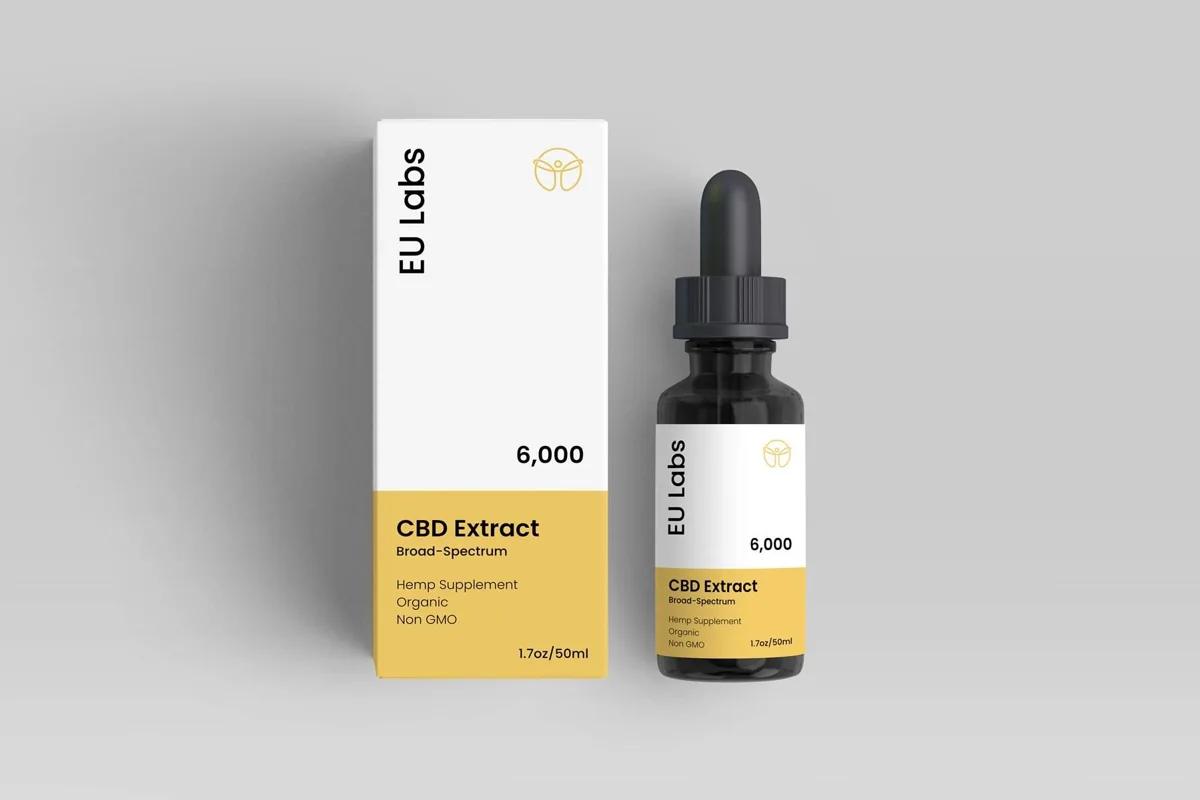
6000mg CBD Oil (Broad Spectrum)
Higher-strength broad-spectrum hemp with THC removed. Cannabinoids and terpenes otherwise intact. 6000mg in 50ml MCT oil, 120mg per ml.
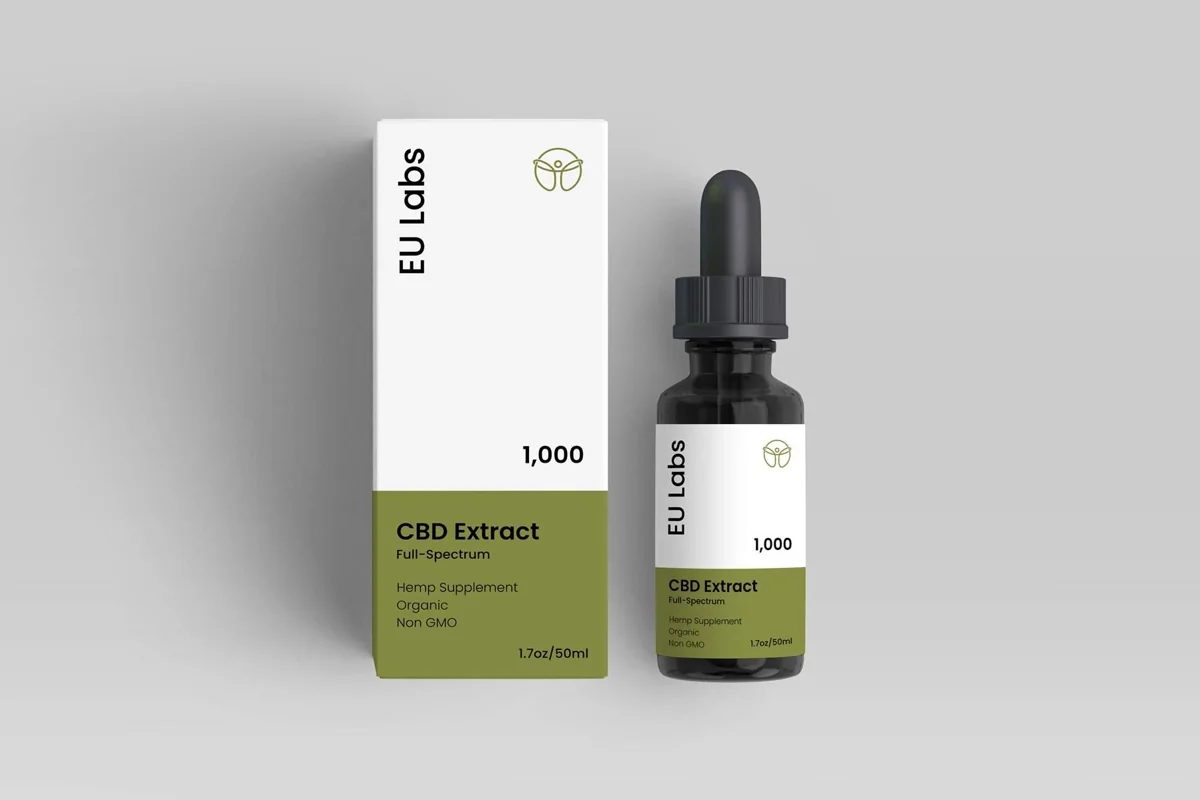
1000mg CBD Oil (Full Spectrum)
Whole-plant hemp extract — CBD plus the lesser cannabinoids and terpenes from the same run. 1000mg in 50ml MCT oil, 20mg per ml.
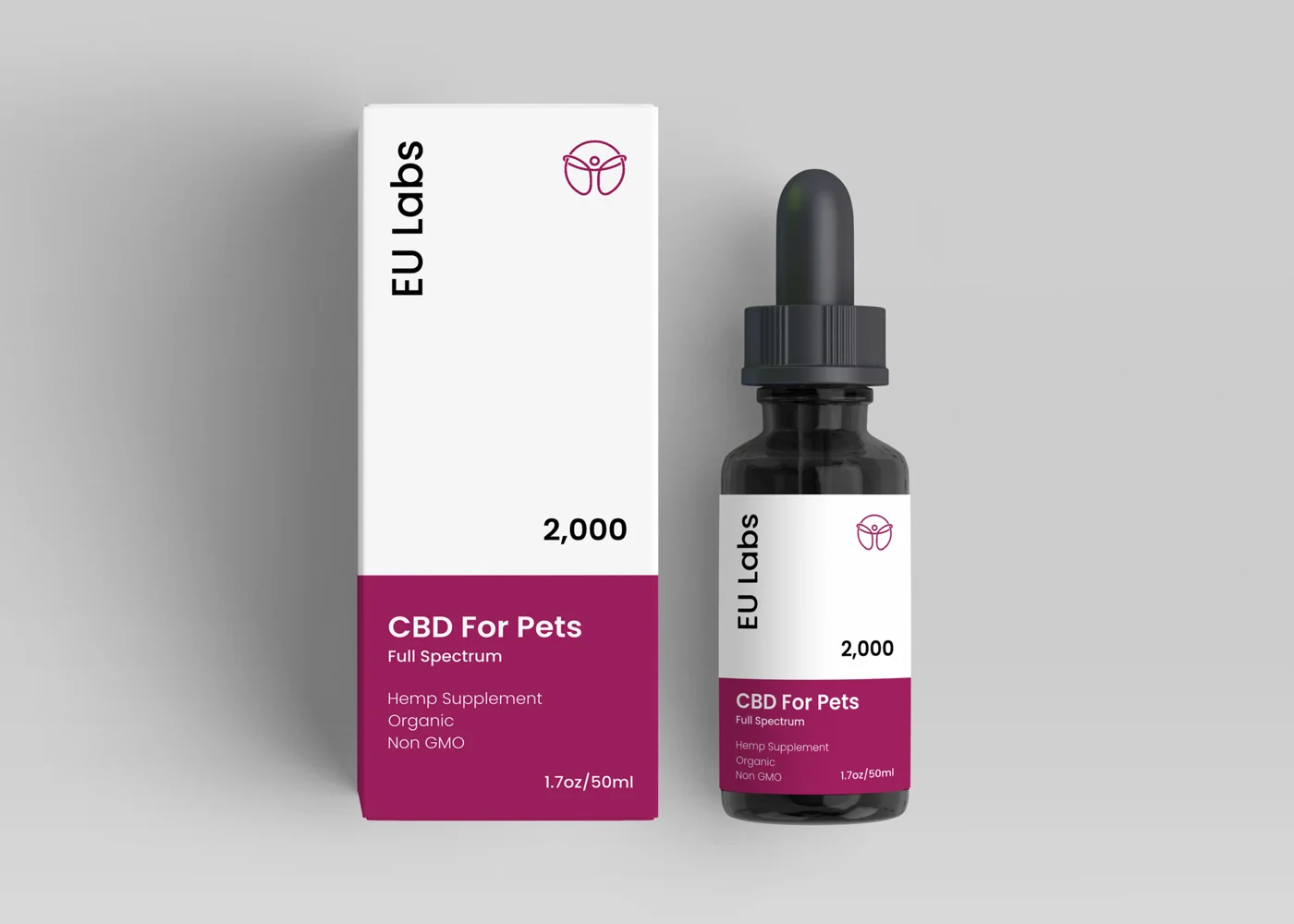
2000mg Pet CBD Oil (Full Spectrum)
Pet-formulated full-spectrum CBD, same hemp source as our human range. Neutral MCT, no added flavours. 2000mg in 50ml, 40mg per ml. 18+; ask your vet.
Is CBN oil legal in NSW?
Cannabinoid products in Australia are regulated nationally by the Therapeutic Goods Administration, and that framework applies in NSW. We are not able to give legal advice, and we describe our CBN oil only by its composition — a THC-free cannabinol isolate in MCT — not by any use. For the current rules, including how cannabidiol and other cannabinoids are scheduled, the authoritative source is the TGA website. Our CBN oil is for adults aged 18 and over and is not suitable for anyone who is pregnant or breastfeeding.
Common questions about CBN oil in Newcastle
What is CBN? Cannabinol, a minor cannabinoid produced by the hemp plant. We supply it as a THC-free isolate and describe it by composition only.
Is CBN the same as CBD? No — they are two distinct cannabinoids from the same plant. CBD (cannabidiol) is the abundant one, sold as full- or broad-spectrum oil; CBN (cannabinol) is a minor cannabinoid we sell as an isolate.
Does CBN oil contain THC? Ours does not. It is a THC-free isolate, confirmed by the Certificate of Analysis for each batch.
Is CBN oil legal in NSW? Cannabinoids fall under the national framework run by the TGA, which covers NSW. We describe the product by composition and make no health claims.
Where can I buy CBN oil in Newcastle? Online, from CBD Oil Newcastle — see every strength on the full range, posted across Hamilton, Charlestown, Lake Macquarie, Maitland and the rest of NSW.
If a single-cannabinoid oil is what you want rather than whole-plant CBD, our CBN oil is a THC-free cannabinol isolate, described plainly and shipped from within Australia. Browse the full CBD oil range to see CBN next to our CBD and CBG oils — all in Australian dollars, all lab-tested by batch.
Ordering from Newcastle
CBD Oil Newcastle ships tracked orders to Newcastle and across NSW — including Hamilton, Charlestown, Lake Macquarie, Maitland. Orders are dispatched domestically, so there is no international customs step and no import paperwork for you to complete. Every bottle carries a batch number, and the matching Certificate of Analysis is available on request.
How the minor cannabinoids differ
| CBD | CBG | CBN | |
|---|---|---|---|
| Full name | Cannabidiol | Cannabigerol | Cannabinol |
| Where it comes from | Most abundant in hemp | The precursor the plant makes first | Forms as hemp ages |
| Relative abundance | High | Low | Low |
| Typical price per mg | Lowest | Higher | Higher |
Abundance is why CBG and CBN oils sit at a different price point to CBD.